Introduction — What Are Voice AI Agents?
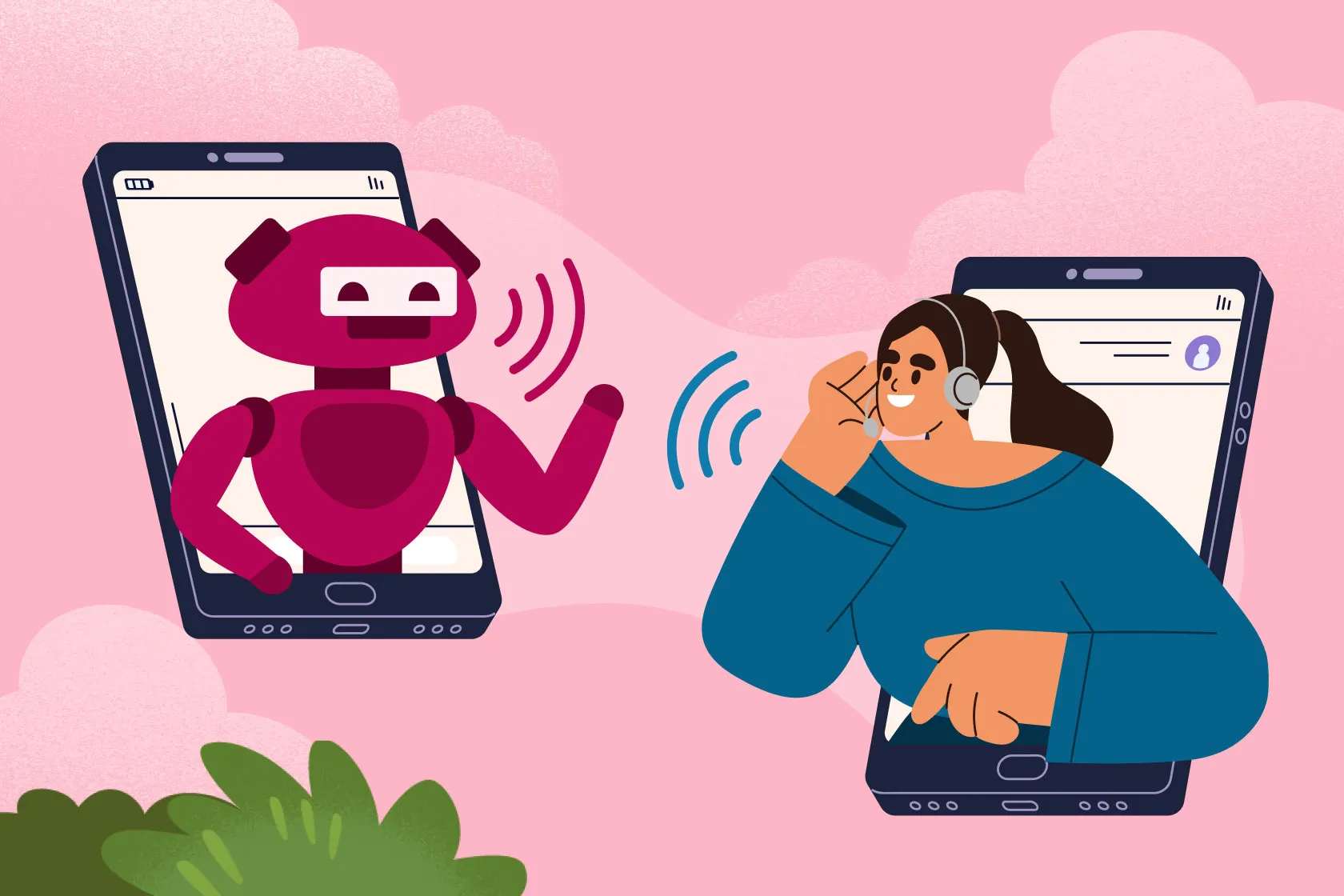
Voice AI agents are intelligent assistants that interact with us through natural conversation. Think beyond Siri or Alexa — in 2025, voice technology has evolved into highly personalized companions capable of handling everything from daily reminders to real-time translations and even emotional support. These agents are now embedded in phones, cars, wearables, and even smart glasses, reshaping how we live and work.
Key Examples Driving the Trend
- Smart Homes: Amazon Alexa and Google Assistant now run entire households — controlling appliances, lighting, security, and entertainment.
- Healthcare: Startups have built voice AI companions that monitor elderly patients, provide medication reminders, and connect with doctors instantly.
- Automotive: In-car voice agents offer real-time navigation, safety alerts, and hands-free control, making driving smarter and safer.
- Education: Language learning apps now use AI voices to tutor students in real-time, adapting to their accent and pace.
How Voice AI Is Changing Daily Routines
- Hands-Free Productivity: Dictate notes, draft emails, or schedule meetings while walking or cooking.
- Learning and Language: Real-time voice translation allows seamless global communication.
- Accessibility: Voice AI empowers visually impaired individuals by reading out messages, identifying surroundings, and simplifying daily tasks.
- Entertainment: Curated playlists, podcasts, and news updates delivered in a natural conversational flow.
Challenges & Limitations
Despite the progress, challenges remain:
- Privacy Concerns: Always-on microphones raise security issues about who controls your data.
- Voice Accuracy: Accents, background noise, and mispronunciations can still cause errors.
- Bias & Inclusivity: AI systems sometimes fail to recognize diverse voices equally.
- Overreliance: As voice AI grows, dependency on tech could impact critical thinking and problem-solving.
Looking Ahead: What’s Next?
- Emotional AI Voices: Future agents will recognize and respond to your emotions.
- Offline Capabilities: Voice assistants that work without internet, ensuring privacy and speed.
- Wider Integration: Expect voice AI in glasses, watches, and even household robots.
- Creative Collaboration: AI will help generate podcasts, narrate audiobooks, or co-write content using natural voice.
Conclusion
Voice AI agents are no longer just futuristic gadgets — they are becoming everyday companions, shaping how we communicate, work, and learn. They promise to make life easier and more accessible, but come with important questions about trust and privacy. As we step into this future, one thing is clear: our voices may soon become the most powerful tool we use to interact with technology.